
Coach Hire Safety: Driver Vetting & Maintenance Standards
Discover how strict driver vetting and regular maintenance keep every Star Coaches journey safe, compliant, and worry-free from start to finish.
You want to know the driver is qualified, the coach is inspected, and the company actually follows the rules that keep people safe on UK roads.
That’s what this guide gives you — a clear, honest look at how proper coach hire safety standards work in real life. No confusing jargon, no sugar-coating. Just the truth about driver checks, maintenance routines, and the systems that protect you, your group, and everyone onboard.
Because once you understand the process, you book with confidence — not doubt.
What you’ll get in this guide:
- How coach companies vet, test, and qualify drivers
- What daily and weekly vehicle checks look like
- Real UK rules operators must follow
- How coaches stay safe on the road and inside the cabin
- Why proper safety removes stress from your trip
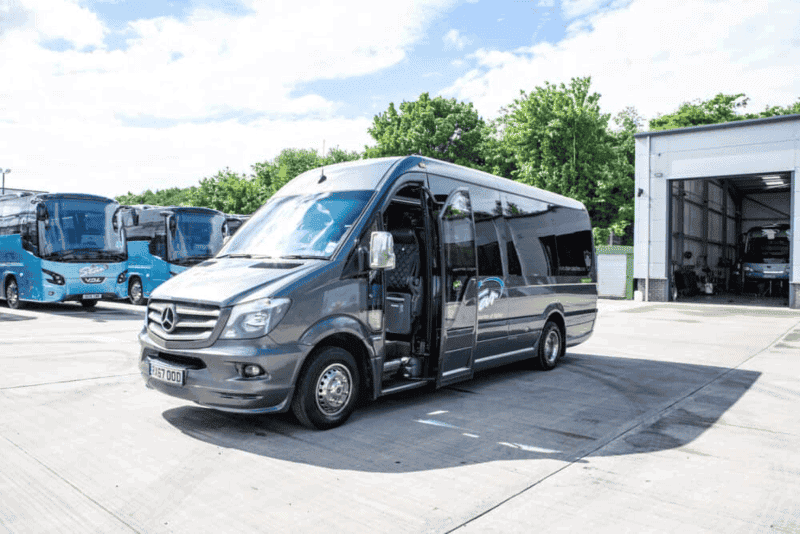
What Makes Coach Travel Safe Today?
Safety layers
Modern coach travel uses multiple safety layers, with drivers, vehicles, and routes checked daily to keep every journey secure and worry-free.
Regulated industry
UK coach travel follows strict DVSA rules, licensing requirements, and regular inspections, ensuring passengers ride on fully compliant and safe vehicles.
Passenger confidence
Clear safety procedures and visible checks help passengers feel calm, informed, and fully protected from departure to arrival on every trip.
Driver Vetting Builds Trip Confidence
Background checks
- DBS screening ensures every driver is trustworthy and safe for passengers.
- Drivers’ past driving history is reviewed to confirm experience and reliability.
- References are verified to guarantee professionalism and adherence to safety standards.
- Hiring focuses on candidates with strong safety awareness, not just driving skills.
Licence validation
- D or D1 licences are carefully checked to confirm eligibility for passenger transport.
- CPC certifications are reviewed to ensure drivers meet legal training requirements.
- Licence renewals are tracked so drivers remain fully compliant at all times.
- Proof of qualification is kept on file to validate every driver before departure.
Medical fitness
- Regular medical exams confirm that drivers are physically fit to operate safely.
- Vision and reflex checks ensure drivers can react quickly in all traffic situations.
- Health history updates help prevent accidents caused by unnoticed medical issues.
- Fit-to-drive approvals guarantee drivers can handle long or challenging journeys safely.
Ongoing training
- Annual refresher courses keep drivers’ skills current and safety-focused.
- Defensive driving training helps prevent accidents and manage emergencies calmly.
- First-aid awareness ensures drivers can respond quickly to onboard medical issues.
- Customer care lessons maintain comfort, trust, and a positive passenger experience.
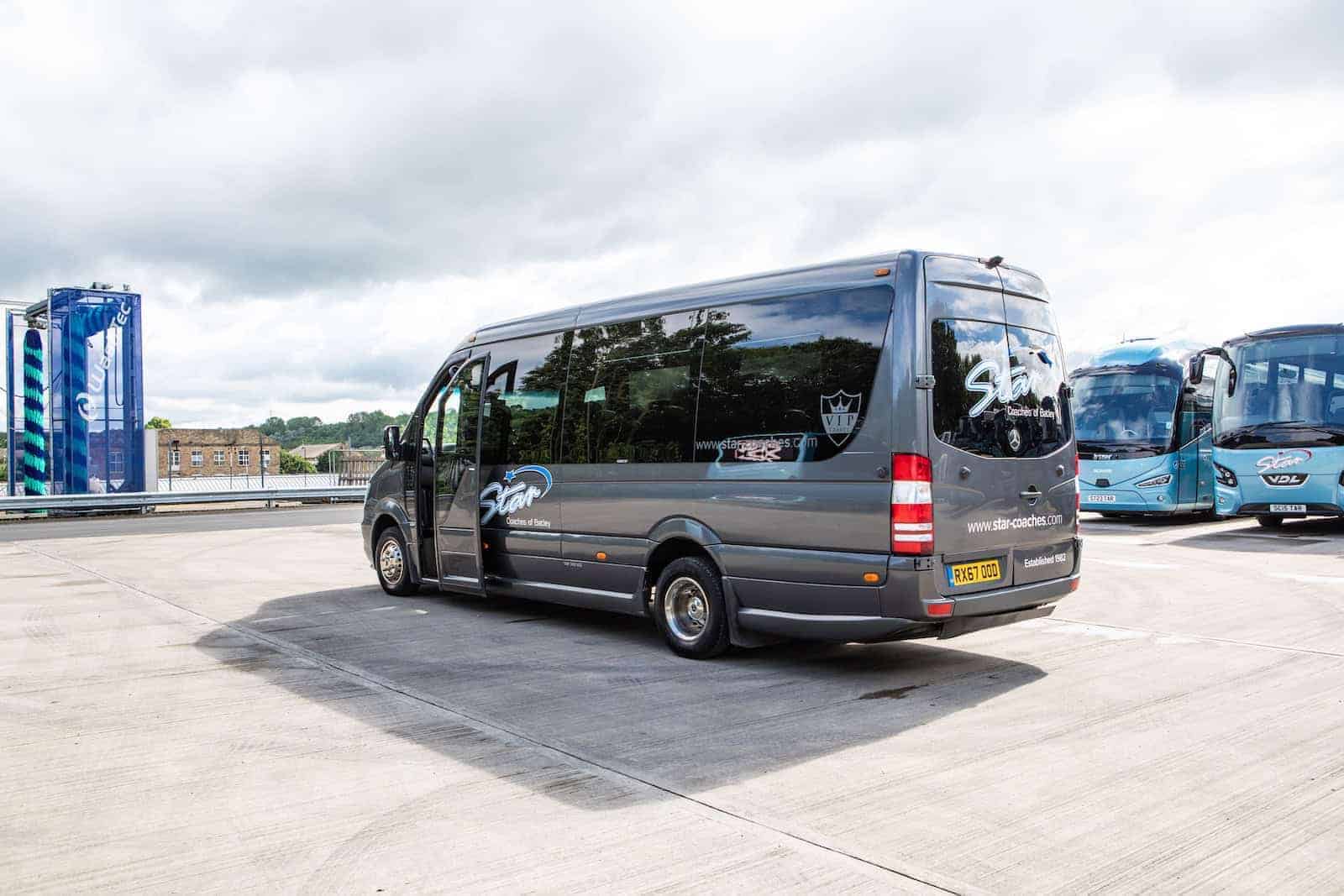
Training That Shapes Professional Drivers
Safety refreshers
- Updated safety rules
- Seasonal risk training
- New-tech briefings
- Practical response drills
Route awareness
- Local route mapping
- Traffic pattern study
- Weather impact planning
- Risk-spot identification
Customer care
- Calm communication
- Support for all groups
- Accessible travel skills
- Problem-solving mindset
How Daily Checks Prevent Problems
Brake tests
Daily brake inspections ensure smooth, predictable stopping, protecting passengers and preventing sudden issues on busy roads or tight corners.
Light inspection
All lights are checked for full function, following Coach hire safety standards, so the coach communicates clearly with other drivers, keeping the journey safe day or night.
Tyre review
Tyres are examined for pressure, tread, and wear to guarantee safe handling and grip in all weather, reducing the risk of slips or skids.
Fluid check
Engine, brake, and other fluid levels are verified each day to prevent breakdowns and ensure the coach runs safely throughout the trip.
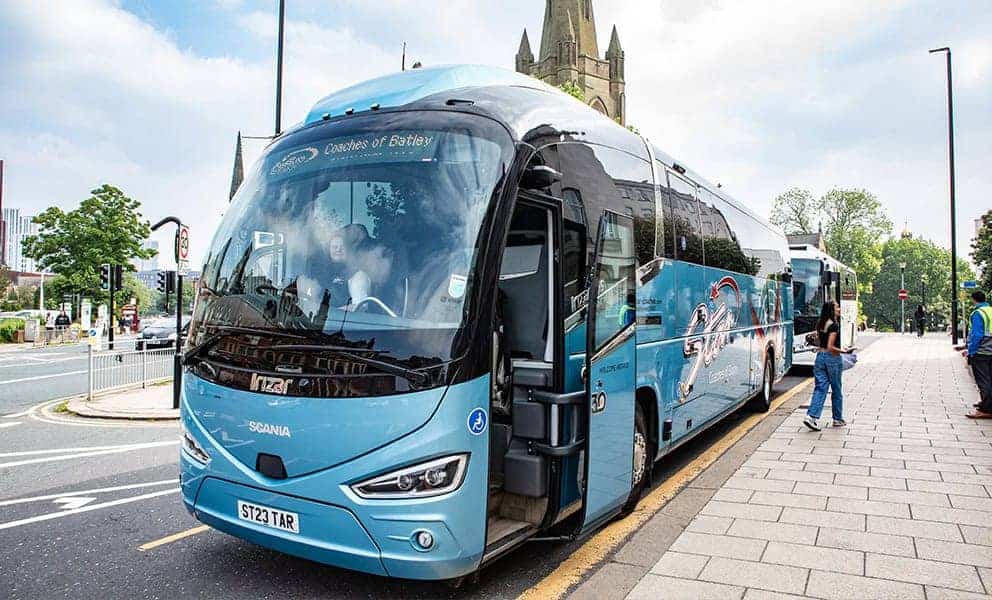
Regular Servicing Keeps Coaches Roadworth
Workshop cycles
- Service intervals followed a strict schedule
- Comprehensive mechanical checks before each trip
- Parts are replaced when showing any wear
- Repairs completed, prioritising passenger safety first
MOT compliance
- Annual MOT tests are carried out reliably
- Vehicle emissions checked for legal limits
- Roadworthiness certificates obtained on time
- Ensuring full compliance with regulations
Record keeping
- Detailed service logs are maintained for reference
- Inspection notes filed for quick review
- Complete repair history tracked and updated
- Transparent reporting ensures operator accountability
Safety Standards Every Operator Follows
Coach companies follow strict rules to ensure every vehicle is safe, legal, and ready for passengers.
- DVSA operator guidance
- Mandatory licence duties
- Detailed inspection logs
- Regular compliance audits
What Passenger Safety Looks Like Onboard
Secure seating
Seats stay firmly fixed and checked before every trip, meeting Coach hire safety standards, so passengers remain stable even during sharp turns or bumpy UK roads.
Belt checks
Seatbelts get quick daily checks to ensure they lock properly. This provides every passenger with reliable protection and reduces the risk of injury if the coach needs to brake suddenly or slow down quickly.
Emergency tools
Every coach carries first-aid kits, safety hammers, and fire extinguishers so the driver can respond quickly. These tools offer real backup during rare emergencies or roadside issues.
Cabin cleanliness
A clean cabin prevents slips, clutter, and distractions. It helps passengers settle quickly, keeps aisles clear, and creates a calm, safe space for everyone from boarding to final drop-off.
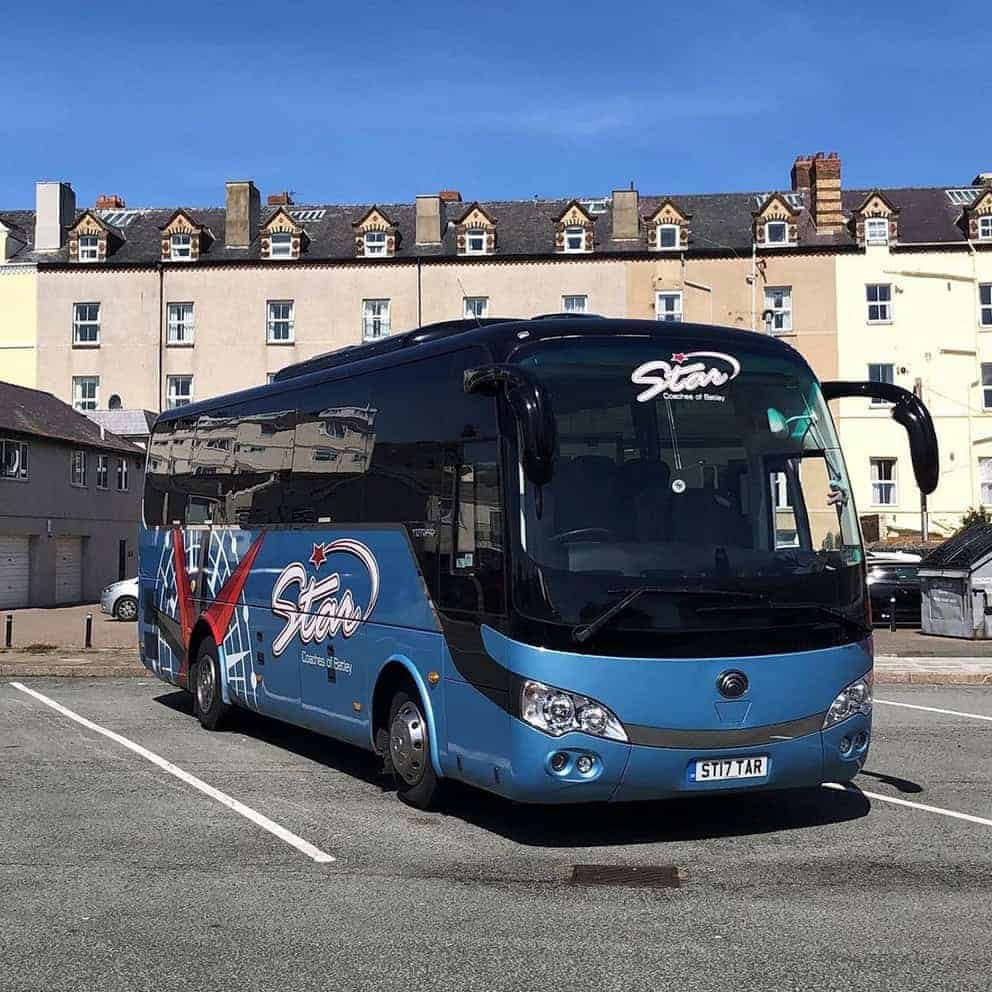
Comfort Factors That Support Safe Travel
Stable temperature
A steady cabin temperature keeps everyone relaxed and focused. It prevents discomfort, reduces irritation on long trips, and helps the driver stay alert and safe.
Smooth driving
Gentle braking, calm steering, and smooth acceleration make the ride feel safer. This reduces sudden movements, keeps luggage steady, and supports better control on busy roads.
Thoughtful stops
Regular breaks let passengers stretch and refresh. These pauses also help the driver reduce fatigue, stay focused, and keep the journey safe from start to finish.
Issues Strong Safety Prevents Easily
- Brake failures that can cause sudden stops.
- Tyre blowouts that put everyone at risk.
- Driver fatigue slows reaction time.
- Mechanical faults that interrupt the journey.
- Cabin hazards that affect passenger comfort.
- Poor visibility during rain or night travel.
- Small slips that can lead to injuries.
- Compliance gaps that lead to legal trouble.
Behind-the-Scenes Work You Don’t See
Pre-trip prep
- Teams check brakes, tyres, lights, and logs so the coach starts in top condition.
- Routes are reviewed for traffic, works, and safe stops to prevent surprises.
Fleet rotation
- Coaches rotate by mileage and repairs, keeping only the safest on the road.
- Older units undergo more thorough checks, leaving road-ready vehicles for passengers.
Driver briefings
- Drivers get quick updates on weather, tight roads, and passenger needs.
- Safety reminders keep them alert and steady before the journey begins.
Why Consistency Matters More Than Claims
Repeat standards
Consistent checks make safety real, not promised. When every task is repeated daily, you reduce risk and build more trust on every trip.
Measured checks
Measured routines catch minor faults early. Drivers rely on set steps, not guesswork, so nothing important slips past unnoticed.
Reliable routines
Reliable systems keep every coach predictable, safe, and steady. You don’t feel the work, but you enjoy the peace it gives you.
How Safety Protects Every Group Type
School comfort
Strong safety measures keep kids calm and protected, giving teachers confidence that the coach meets safety standards from start to finish.
Event reliability
Events run more smoothly when the coach is well checked. You avoid delays, last-minute faults, and stressful changes.
Corporate needs
Business trips need punctual, smooth travel. Safety routines reduce breakdowns, so teams arrive at meetings steadily and stress-free.
Choosing Operators Who Prioritise Safety
A good operator doesn’t ask you to “trust them” — they show you. The safest companies follow explicit rules, give proof without hesitation, and talk openly about how they protect every passenger.
- Ask for written safety steps — good firms keep them up to date.
- Check if they share MOT, maintenance, and licence details.
- Notice how they answer safety questions — open answers mean strong systems.
Safety Is the First Promise Made
Responsible teams
Teams that value safety take action early, fix issues fast, and never cut corners when checking a coach.
Ongoing care
Safety isn’t “once a week.” It’s daily care that keeps every journey smooth, steady, and安心— no surprises on the road.
Trust delivered
You feel the difference when safety is absolute. Calm driving, clean checks, stable coaches — that's trust you can sense, not guess.
Final Thoughts
Safety isn't a slogan in coach travel — it's systems quietly working in the background. Every safe journey follows strict coach-hire safety standards, with trained drivers, daily checks, consistent routines, and companies that prove their standards rather than making bold claims. Understanding these steps helps you feel calmer, more informed, and more in control of your group's travel. The goal is simple: reach your destination feeling safe, supported, and confident in the people behind the wheel.
If you ever feel unsure, ask about their safety steps — the right operator will always answer with clarity, not excuses.
FAQs
What are the rules for bus drivers in the UK?
Bus and coach drivers must hold the correct licence, adhere to strict driving-hour limits, complete CPC training, pass medical checks, and keep logs up to date. They must also obey safety laws, manage passenger behaviour, and remain fit to drive at all times on UK roads.
Can a coach do 70mph?
Most UK coaches can legally travel up to 70mph on motorways, but only when conditions are safe. Drivers must judge weather, traffic, road surface, and coach load before reaching that speed. Many companies cap speed lower for smoother, safer travel.
How much does it cost to hire a coach in the UK?
Prices vary widely based on distance, group size, location, vehicle type, and travel hours. Operators calculate trips by mileage and time, so costs change from journey to journey. The safest approach is to request a quote for your exact plan.
What are the safety rules inside the bus?
Passengers must wear seatbelts when fitted, keep aisles clear, stay seated when the coach is moving, and avoid distracting the driver. Bags should remain secure, and emergency exits must remain clear. These steps protect everyone during sudden stops or sharp turns.
What safety measures will you take when you are waiting for a bus?
Stand back from the curb, stay visible, avoid stepping into the road, and wait until the bus has completely stopped before moving forward. Keep kids close, hold bags safely, and avoid rushing. Clear awareness at the stop prevents slips, falls, or road risks.
What are the five rules of safety?
Stay aware of your surroundings, follow instructions, use equipment properly, keep pathways clear, and report hazards early. These simple steps reduce accidents, protect groups, and help everyone travel or move through busy areas more safely.