
The Ultimate Guide to Safe School Coach Travel
Discover Star Coaches’ expert guide to school coach hire in the UK — packed with safety tips, legal info, and booking advice.
Introduction: Why Safety in School Coach Travel Matters
Every school trip — whether it's to a local museum or a cross-country educational tour — begins with one vital concern: safety. For teachers, parents, and school administrators, ensuring that students are transported securely and comfortably is non-negotiable. Beyond parental expectations, strict UK legal requirements and education authority standards make safety a top priority in coach travel.
Reliable coach hire isn’t just about getting from point A to B. It’s about professionalism, planning, and peace of mind. When you work with a trusted company like Star Coaches, you’re not only choosing comfort — you’re investing in confidence.
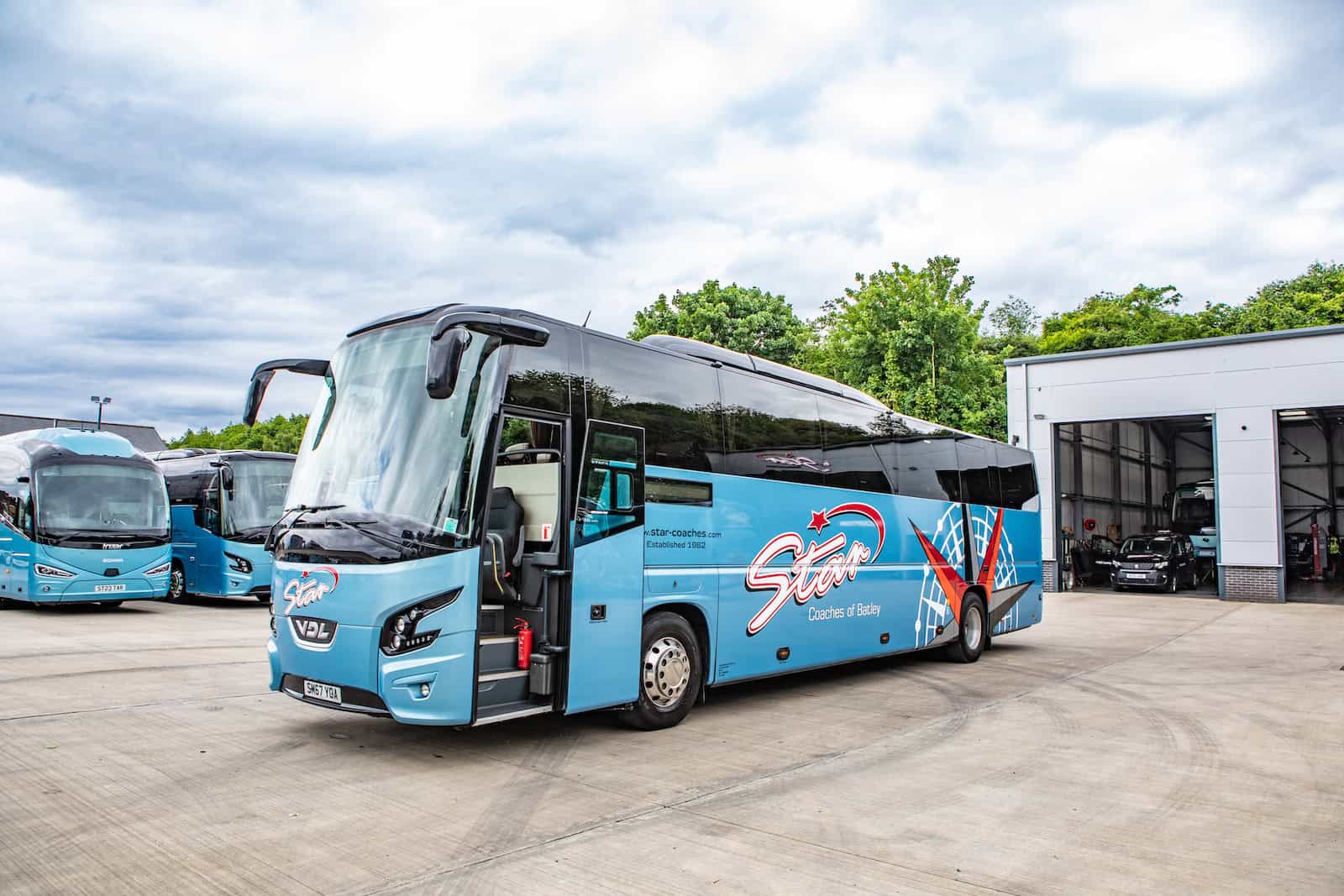
Understanding School Coach Travel
What is school coach travel?
School coach travel refers to the transportation of students for academic, athletic, cultural, or recreational purposes using a private coach or minibus. These trips may be one-off events or part of a recurring transport service.
Common Use Cases Include:
- Day trips to museums, galleries, and science centres
- Sporting events and competitions
- University taster days or career fairs
- Inter-school exchange programmes
- End-of-term reward outings
- Residential trips and summer camps
Companies like Star Coaches provide tailored solutions for all of these — offering various vehicle sizes, professional drivers, and itinerary support to ensure smooth coordination from start to finish.
Key Safety Standards and Regulations
In the UK, school coach hire services are governed by strict standards to protect minors during transport.
Core Safety Requirements:
- Enhanced DBS Checks: All coach drivers working with children must undergo advanced background screening.
- 3-Point Seat Belts: Every seat must be fitted with modern, secure seat belts to protect children in transit.
- Regular Vehicle Inspections: Coaches must pass regular mechanical and safety inspections as per DVSA requirements.
- Section 19 Permits (for schools running their own minibuses): Required to legally carry students without a full commercial license.
Driver Licensing & Training:
- CPC (Certificate of Professional Competence)
- Ongoing training in first aid, road safety, and child safeguarding
- Experience in managing school-specific logistics (e.g., drop-off zones, headcounts, child supervision)
Hygiene & Cleanliness Protocols:
While COVID-19 protocols may no longer be mandatory, cleanliness standards remain high. Trusted providers like Star Coaches ensure:
- Regular sanitisation of high-touch areas
- Clean, well-ventilated interiors
- On-board sanitation supplies (wipes, hand gel)
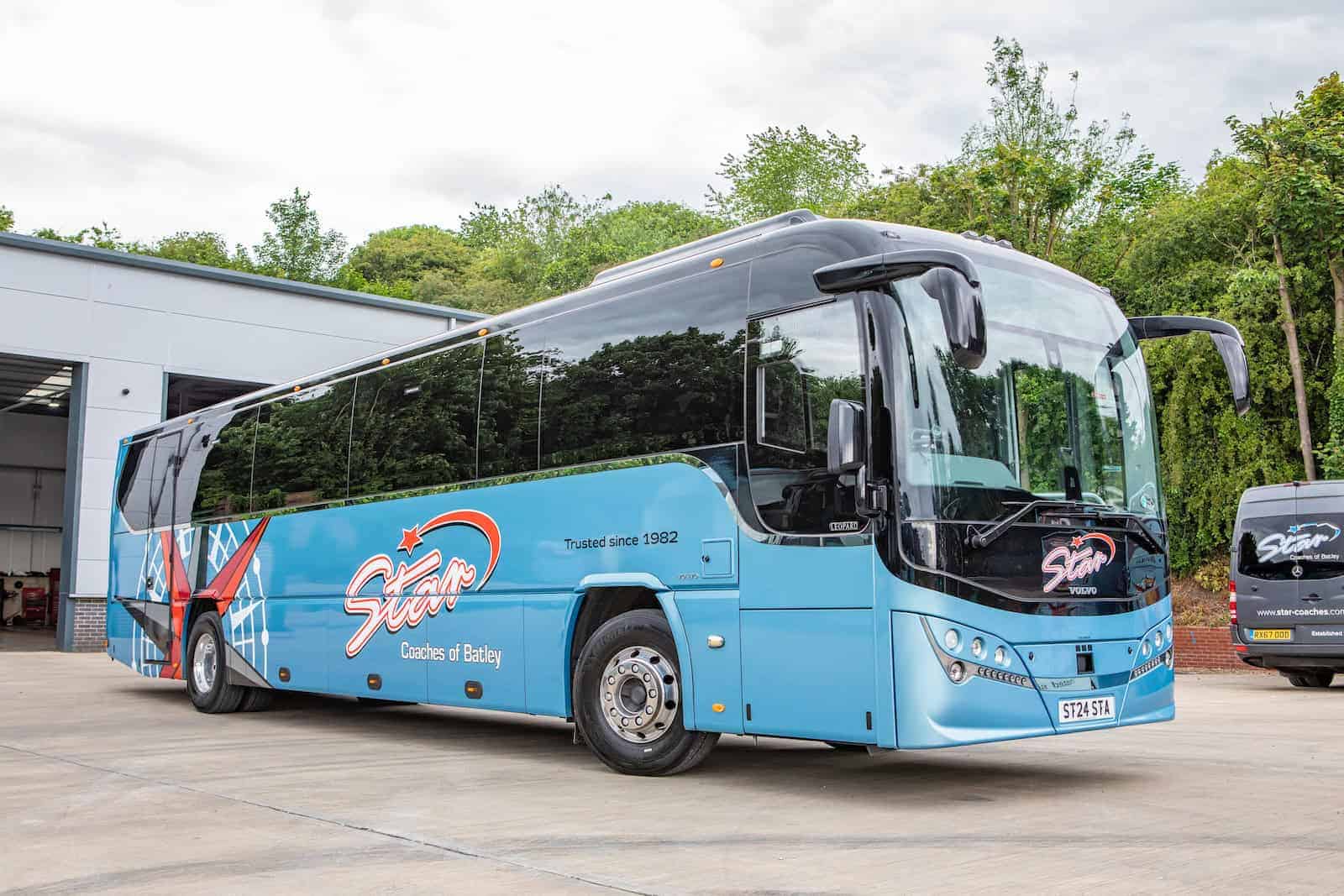
Choosing the Right Coach Hire Company
Not all coach hire services are created equal. Choosing the right provider is crucial for ensuring student safety and your own peace of mind.
Questions to Ask Before Booking:
- Are all drivers DBS-checked and qualified?
- What is the company’s insurance coverage?
- How often are coaches serviced or inspected?
- Are there child-safe features like CCTV and seat belts?
- Can they accommodate special needs or overnight trips?
Compare Reviews & Testimonials:
Always check the provider’s Google reviews, school client list, and testimonials from educational institutions. A company with decades of service in school transport — like Star Coaches — should have strong credentials and a proven record of punctuality and professionalism.
Features of a Safe and Comfortable Coach
When transporting children, comfort and safety go hand-in-hand. Look for the following features when selecting a coach:
Safety Essentials:
- 3-point seat belts on every seat
- Clearly marked emergency exits
- Fire extinguishers & first aid kits
- Low-entry steps and non-slip flooring
- CCTV & GPS tracking for real-time oversight
Comfort & Accessibility:
- Air conditioning and climate control
- Spacious seating with ample legroom
- Large windows for visibility (and excitement!)
- Accessible seating for children with disabilities
A well-equipped coach not only ensures safety but also creates a positive travel experience — reducing stress for both students and supervisors.
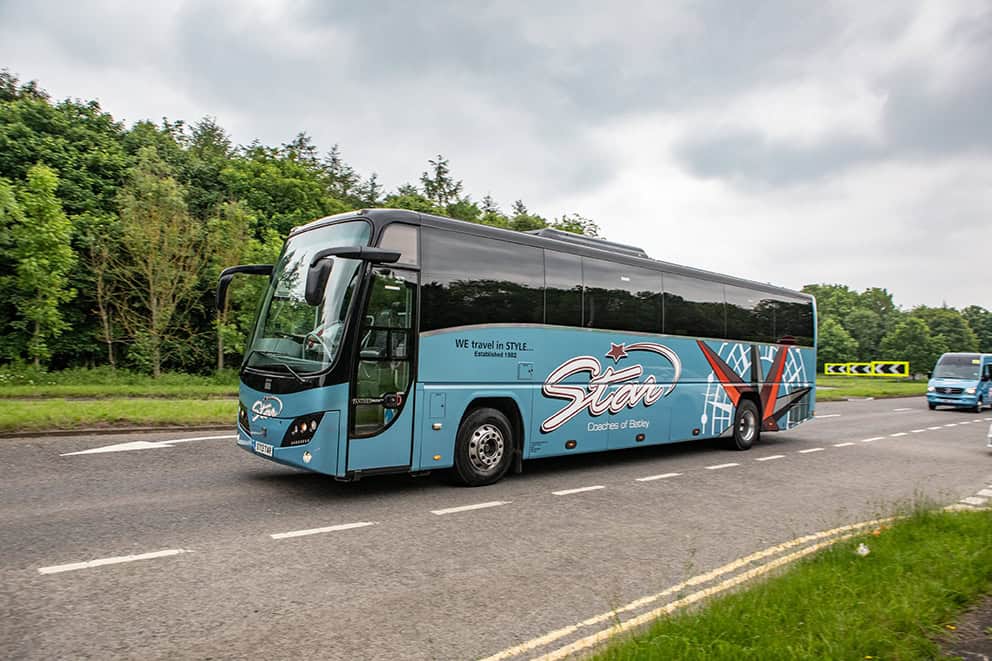
Roles of Teachers and Trip Organizers in Safety
While coach hire companies are responsible for safe transport, teachers and school staff play a vital role in ensuring the journey goes smoothly.
Pre-Trip Planning:
- Risk Assessments: Evaluate the journey route, stops, weather, and group needs.
- Permissions & Medical Info: Secure consent forms and note allergies, medications, or special requirements.
- Coach Company Communication: Confirm pickup times, locations, and emergency contacts.
On-the-Day Protocols:
- Headcounts before departure, after stops, and on arrival.
- Seat Assignments can reduce disruptions and ensure adult supervision near younger children.
- Behaviour Briefing: Reinforce travel rules with students (e.g., remain seated, seat belts on, no aisle blocking).
Communication with School & Parents:
- Share estimated arrival/departure times.
- Have an emergency contact plan in place.
- Designate a staff member to liaise with the coach driver during the trip.
Engaging Parents: What They Need to Know
Parents want to feel reassured when their child steps onto a coach — and transparency builds trust.
- The name and contact of the coach provider
- A brief on the company’s safety standards
- Emergency procedures and what to do if a delay occurs
Helpful Tips for Parents:
- Packing Essentials: water bottles, ID tags, medication (if needed)
- Dress for Comfort: layers, weather-appropriate shoes
- Behaviour Expectations: follow adult instructions, stay seated, respect others
Address Common Concerns:
- “Is the driver DBS-checked?”
- “Will my child be alone on the coach?”
- “What happens in an emergency?”
Make these answers available ahead of time in printed letters or through your school’s communication portal.
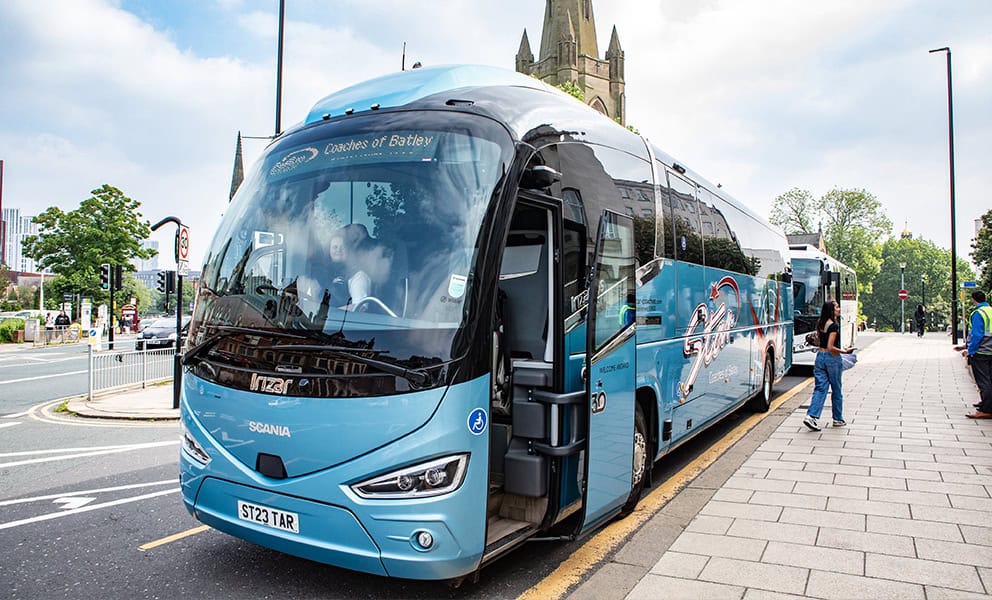
Sample Safety Checklist for School Coach Trips
For Teachers & Organisers:
- Confirm DBS status of driver
- Double-check insurance documents
- Carry student medical info and permissions
- Conduct pre-boarding headcount
- Know emergency exits on the coach
- Carry school contact and driver’s number
For Students:
- Wear seat belts at all times
- No standing or moving while in motion
- Use bins (if available) or keep rubbish with you
- Stay with your group during stops
Post-Trip:
- Review incident log (if anything happened)
- Collect student feedback
- Report coach feedback to the hire company (good or bad)
Conclusion
When it comes to school transport, safety is not a bonus — it’s a baseline. By choosing a professional coach hire provider that understands and exceeds safety standards, schools can focus on what matters most: creating enriching, memorable experiences for students.
At Star Coaches, we’ve built our reputation on trust, safety, and service excellence. Our DBS-checked drivers, rigorously maintained fleet, and friendly support staff make us the ideal travel partner for your next school trip.
Book With Confidence
Looking for safe, reliable school coach hire in West Yorkshire?
Get a quote from Star Coaches today
Related Services:
FAQs
How much does a coach cost?
Coach hire costs depend on trip length, travel time, group size, and vehicle type. Most companies give custom quotes based on your plans rather than fixed rates.
Best coaching accreditation UK?
In the UK, recognised coaching bodies include the ICF and EMCC. These focus on ethical practice, training standards, and professional development for coaches.
Cost to hire school coach?
School coach hire depends on distance, timing, and supervision needs. Providers usually tailor services to schools, focusing on safety, reliability, and clear planning.
What is safeguarding in schools?
Safeguarding means protecting children from harm, abuse, or neglect. Schools must create safe environments where pupils feel secure, supported, and listened to.
What are the 5 P’s safeguarding?
The 5 P’s are: Prevent, Protect, Prepare, Respond, and Review. They help organisations reduce risk and act quickly if a safeguarding concern arises.